Professional recovery tools are worth the money when you match the tool to your main complaint and will use it consistently. Foam rollers suit broad soreness, massage guns suit targeted knots, and cold therapy suits swelling around a joint. A cheaper tool you use regularly often does more than an expensive one left unused.
Each recovery tool works through pressure, vibration, or temperature change, so identify which you need.
Start every session with a low setting or light pressure, then build up gradually.
Use the tool consistently for four to six weeks before adding a second one.
Stop and seek advice from a GP or physiotherapist if you have a joint condition, swelling, or numbness.
Massage guns suit 10 to 15 minutes per day, spread across the muscle groups you target.
A recovery tool is any piece of equipment designed to ease muscle tension, improve circulation and help the body bounce back after training. Foam rollers, percussion massage guns, cold therapy units and compression wraps all fall into this group. The practical question for most people is whether a more advanced model earns its place over a cheaper alternative.
Infinite Finds stocks a focused range of these products, from the Percussion Massage Gun with 4 Heads at £44.99 to the Ice Therapy Machine for Knee Pain Relief & Cold Compression at £154.99.
Most tools work through one of three mechanisms: mechanical pressure that loosens tight tissue, vibration that increases blood flow to the area, or temperature change that reduces swelling and soreness. A massage gun leans on percussion, a foam roller on sustained pressure, and an ice bath or cold wrap on cold exposure. Knowing which mechanism you need is the first step in deciding what to buy.
Benefits of Professional Recovery Tools for Muscle Soreness
Recovery tools can differ in adjustability, speed settings and attachments. A device with several speed settings and heads lets you warm up a muscle or work deeper into a knot with the same tool.
The Deep Tissue Massage Gun for Muscle Relief at £35.99 offers 30 speed levels and nine heads for different body areas.
Foam rollers, massage guns and cold therapy compared
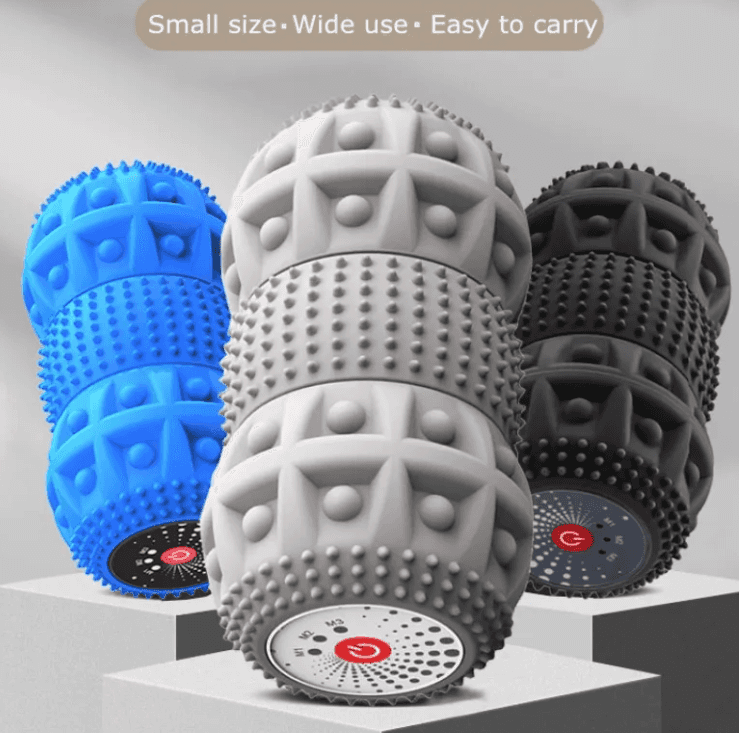
Each category suits a different kind of soreness. Foam rollers are the simplest option and work well for broad areas like the back, thighs and calves. The Wave Foam Roller at £25.99 uses extra-firm foam, while the Electric Deep Tissue Foam Roller at £21.99 adds vibration.
Electric Deep Tissue Foam Roller
Massage guns suit smaller, specific areas. The Percussion Massage Gun with 4 Heads at £44.99 gives you a flat head for general use, a bullet head for joints and a fork head for the spine.
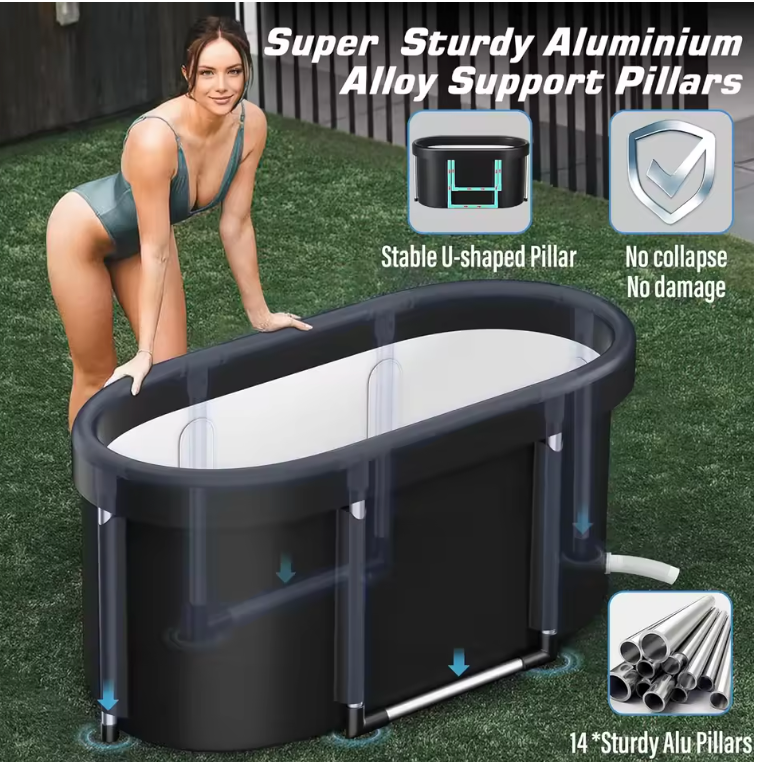
Cold therapy works differently. The Portable Foldable Ice Bath Tub at £34.99 suits full-body cold water immersion after hard sessions, while the Knee Ice Wrap with Compression at £49.99 targets a single joint.
Portable Foldable Ice Bath Tub | Cold Water Immersion for Athletes & Recovery
Compression Gear and Its Benefits
Compression gear applies steady pressure to the limbs, and many people use it to feel less heavy-legged after long days or training. The Cordless Leg & Foot Compression Massager at £184.99 uses four large massage chambers per leg wrap and charges via USB.
Watch out: compression garments that feel tight in the moment can restrict circulation if worn too long or too tightly. Stop using them if you notice numbness, tingling or colour changes in the skin.
Professional Tools Versus Basic Alternatives
The real comparison is not between a premium tool and nothing at all. It is between a tool you will use consistently and one that sits in a cupboard. A cheaper roller you use every evening will likely do more for you than an expensive device you forget about.
If you are occasionally sore after a weekend game, a basic foam roller may be enough.
A more useful way to decide is to work through the scenario rather than the price tag. Ask three questions in order.
First, what is the main complaint? Broad, diffuse tightness across the back, thighs or calves points towards a foam roller or a compression wrap. A sharp, localised knot in one muscle points towards a percussion device. Swelling or heat around a joint points towards cold therapy. If you cannot name the complaint in one sentence, you are not ready to buy a specialist tool.
Second, how often will you use it? Daily or near-daily use justifies a device with adjustable settings and a motor built for repeated sessions. Once a week or less suggests a simpler tool, because the marginal benefit of extra settings will not be realised.
Third, is there a red flag? If you have an existing joint condition, recent surgery, bruising, swelling of unknown cause, or numbness and tingling, stop and seek advice from a GP or physiotherapist before using any recovery tool. A tool is not a diagnostic device, and using one on an undiagnosed problem can delay proper assessment.
Watch out: if a tool causes sharp pain, leaves a mark, or makes the area more swollen or hot, stop using it and seek clinical advice rather than adjusting the settings and trying again.
For people with ongoing joint or knee problems, the answer depends on the condition. The Ice Therapy Machine for Knee Pain Relief & Cold Compression is designed for use as directed by a healthcare provider post-surgery or for chronic pain management, and anyone with an existing condition should check with their GP or physiotherapist before starting a cold therapy routine.
A simple rule of thumb: buy the tool that matches your single main complaint, use it consistently for four to six weeks, and only add a second tool if the first has become part of your routine. If it has not, the problem was the habit, not the tool.
How to Use Recovery Tools Safely
Start every session with a low setting or light pressure, then build up gradually. Pushing straight into deep pressure on a cold muscle is the most common mistake, and it can leave you more sore the next day.
Avoid rolling or pressing directly over bones, joints, the front of the neck or areas with bruising or swelling. If pain feels sharp rather than dull and achy, ease off. Discomfort on a tender spot is normal; pain that lingers after you stop is not.
Keep sessions controlled. Roll slowly, pause on tight areas for a few seconds and avoid bouncing. Clean and dry your tools regularly, and check cables and batteries before each use.
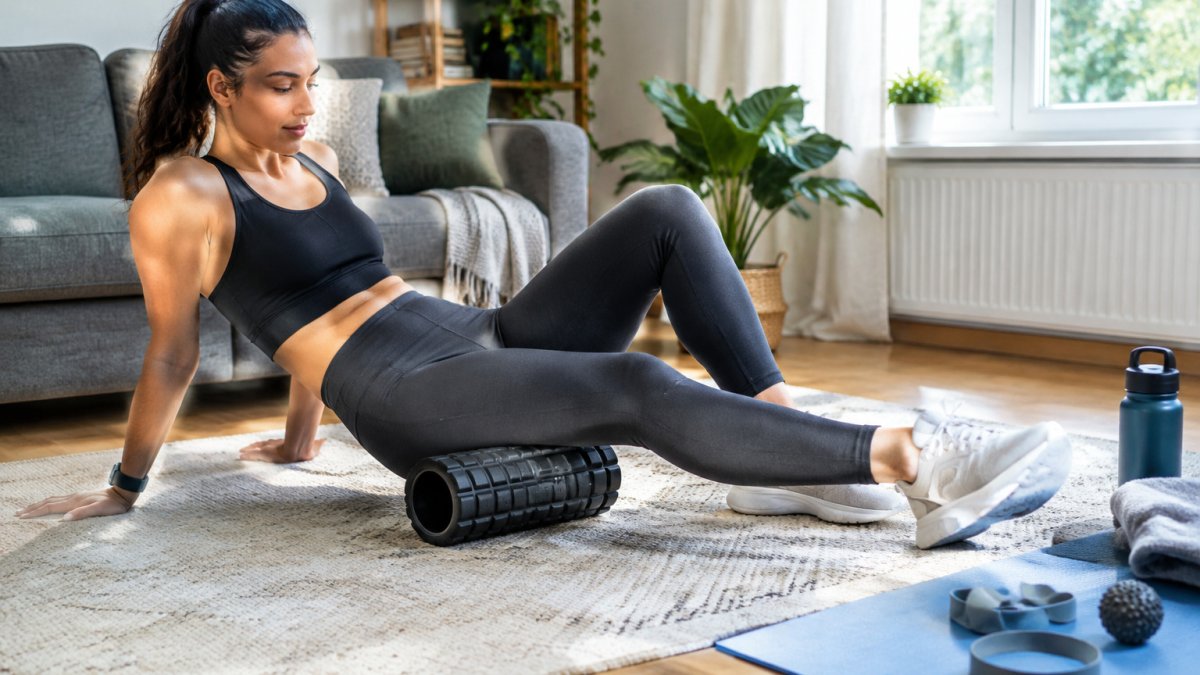
Person in activewear using a foam roller on a living room floor in natural daylight
How Long to Use a Recovery Tool Each Session
For a massage gun, 10 to 15 minutes per day is a sensible starting point, spread across the muscle groups you are targeting. The Electric Deep Tissue Foam Roller is best used for 30 to 60 seconds per area, and the 5-in-1 Stretch & Recovery Massager Set is best used for 10 minutes, three times daily.
Cold therapy needs more care with timing. The Knee Ice Wrap with Compression is used for up to 20 minutes per session, with gel packs frozen for at least two hours beforehand.
Listen to your body. If a tool leaves you more sore or stiff the next day, shorten your sessions or reduce the intensity.
Avoid overuse and rolling directly over a joint, the front of the neck, or bruised tissue.
Check straps, cables and charging ports before each use, and clean surfaces after contact with skin.
Watch out: if a session leaves bruising, numbness, tingling or skin colour change, stop using the tool on that area and seek advice, those are signs of pressure or cold exposure that went too far, not signs that you need to push harder.
The article gives session durations for several tools, which are easy to compare at a glance.
Tool
Suggested session
Note
Massage gun
10 to 15 minutes per day
Spread across targeted muscle groups
Electric Deep Tissue Foam Roller
30 to 60 seconds per area
Use on each area
5-in-1 Stretch & Recovery Massager Set
10 minutes, three times daily
Repeat through the day
Knee Ice Wrap with Compression
Up to 20 minutes per session
Freeze gel packs at least two hours first
Choosing Your First Recovery Tool from the Infinite Finds Range
If you are buying your first tool, start with the problem you want to solve. General soreness across large muscles points towards a foam roller. Targeted pain in a few specific spots suits a massage gun. Swelling after training or surgery points towards cold therapy, and full-leg heaviness points towards compression.
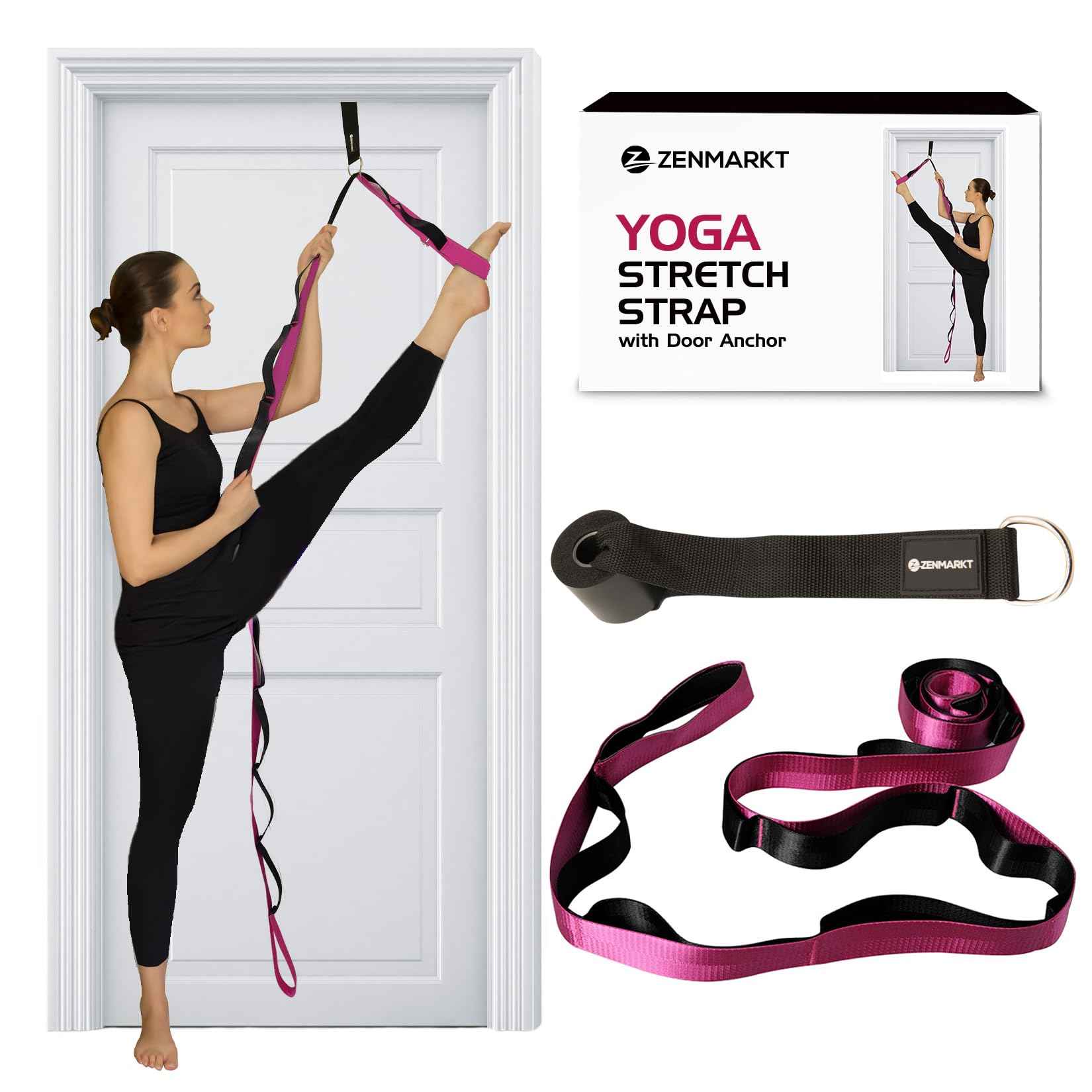
Budget matters, but so does how often you will use the tool. The Muscle Recovery Stretching Strap at £24.99 and the 5-in-1 Stretch & Recovery Massager Set at £44.99 are useful if you want to combine mobility work with self-massage.
Muscle Recovery Stretching Strap
Pick one tool that matches your main complaint, use it consistently, and only then decide whether a second tool adds anything.
Frequently Asked Questions
Do recovery tools help with muscle soreness?
Recovery tools are used by many people after hard training, and they work best as a supplement to rest, sleep and gradual training load rather than a replacement for them. A sensible approach is to use a tool for 10 to 15 minutes after a session and judge the difference over a few weeks. If soreness is severe, lasts longer than a week or comes with swelling, speak to a GP or physiotherapist.
How long should you use a recovery tool for?
The Deep Tissue Massage Gun is best used for 10 to 15 minutes daily, and the 5-in-1 Stretch and Recovery Massager Set is best used for about 10 minutes, three times a day. Stop if pain sharpens or lingers after the session.
How tight should a knee compression sleeve be?
The Knee Ice Wrap with Compression fits a left or right knee up to 24 inches and uses Velcro straps so you can adjust the fit. If you notice numbness, tingling or colour changes, loosen the wrap and remove it if the symptoms do not settle.
Are professional recovery tools better than basic alternatives?
Compare features against how often you will actually use the tool, and choose the option that suits your routine rather than paying for extras you will not need.