To spot quality fitness equipment, check the frame, welds, moving parts and stated load rating before you pay. If a manufacturer cannot state the steel gauge, weight capacity or warranty length, treat that gap as a warning sign.
Lower gauge numbers mean thicker steel, which holds up better under repeated loading.
Check for at least 600 mm of clear space on every side you will load or step away from.
Confirm the warranty covers welds, labour and return carriage, not just the frame.
Cross-check the model number against the manufacturer's own site before paying.
Ask the seller for the declaration of conformity and the maximum user weight in the manual.
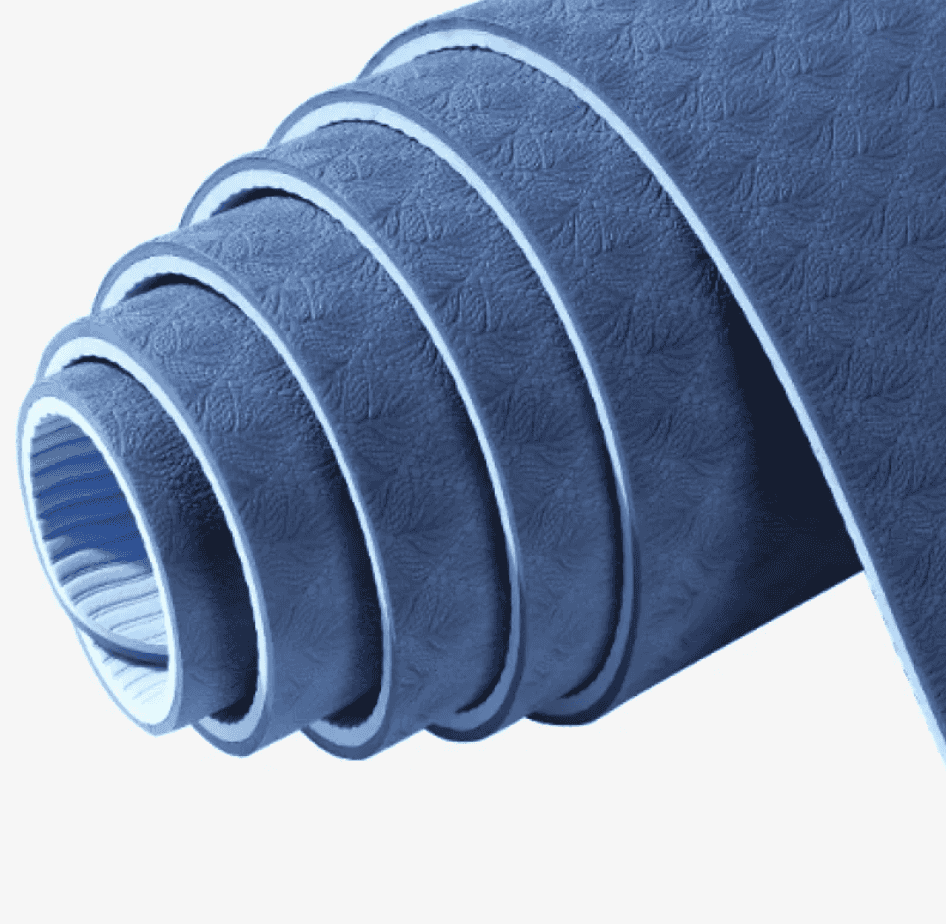
Need a sturdy, non-slip base for your workouts?Infinite Finds offers a thick, eco-friendly TPE yoga mat with clear dimensions and non-slip grip.
How Can You Spot Quality Fitness Equipment Before You Buy?
Quality fitness equipment is easier to judge than most shoppers think. Check the frame, welds, moving parts and stated load rating before you pay. If a manufacturer cannot state the steel gauge, weight capacity or warranty length, treat that gap as a warning sign.
Start with the frame: heavier, thicker steel holds up better under repeated loading, and clean, even welds suggest careful assembly. Check the finish for bubbling paint or early rust at joints. Then test the moving parts, cables should be thick and free of fraying, grips firm rather than tacky, and bolts should tighten without stripping.
Watch out: Assembly instructions that skip torque figures or use undersized hardware are a common cause of loose frames. Tighten everything once built, then recheck after the first week.
What to Look for When Buying Gym Equipment Online
Buying online removes the chance to test a machine, so the listing and the seller's paperwork have to carry the weight. Treat the product page as evidence, not marketing.
Verify the specifications, not the adjectives. A credible listing states frame material and steel gauge, maximum user weight, product weight, assembled dimensions and warranty length in figures. 'Commercial grade' with no numbers is a claim, not a specification. A lower gauge number means thicker steel: 14-gauge tube will flex more under a 150 kg user than 11-gauge. Weight capacity figures only mean something when the listing says whether they refer to user weight, total load, or a tested safety factor.
Check the dimensions against your room, not the listing photo. Measure the footprint, height at full extension, and clearance for the longest movement, adding at least 600 mm of clear space on every side you will load or step away from. A power rack that fits the wall but leaves no room to rack a bar is the wrong rack.
Read the warranty terms carefully. Look for what is covered (frame, welds, cables, pads, electronics), for how long, and whether labour and return carriage are included. A 'lifetime frame warranty' that excludes welds or makes you ship a 90 kg item at your own cost is worth less than a shorter warranty with clear terms.
Plan for damage and returns before you order. Confirm the seller's procedure for shipping damage: who inspects, what photographic evidence is required, and how many days you have to report it. Check the return window, who pays return carriage on a large item, and whether a restocking fee applies. For anything over about 30 kg, ask whether two-person delivery or a kerbside drop is standard.
Confirm parts and assembly support. Ask whether replacement cables, pulleys, bolts and pads are sold individually and how long they are stocked. A machine with no spare-parts channel becomes scrap the first time a cable frays.
Watch out: Listings that show the same stock photo across several brands, or that quote a weight capacity higher than the frame's own product weight would sensibly support, are a common sign of a rebadged generic unit. Cross-check the model number against the manufacturer's own site before paying.
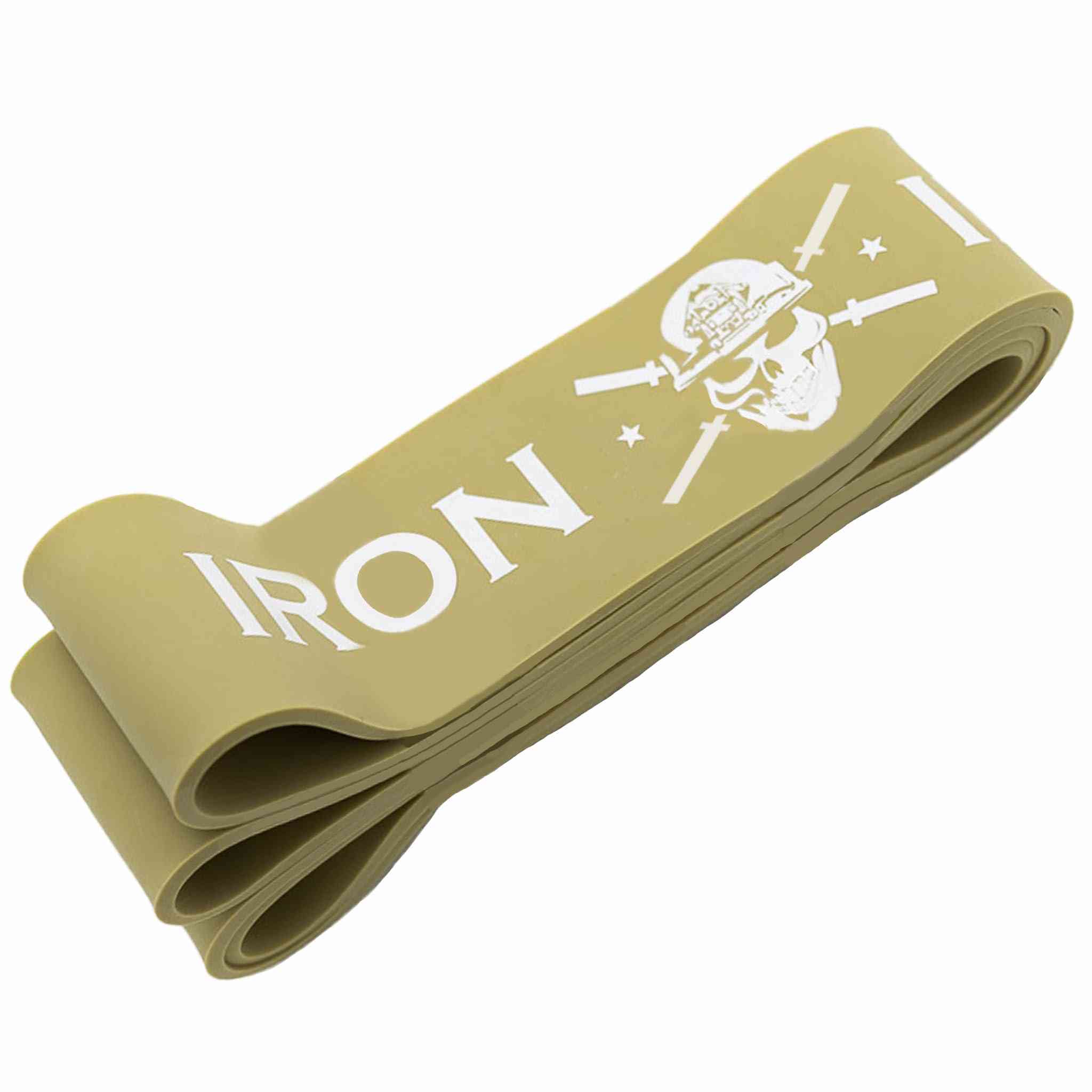
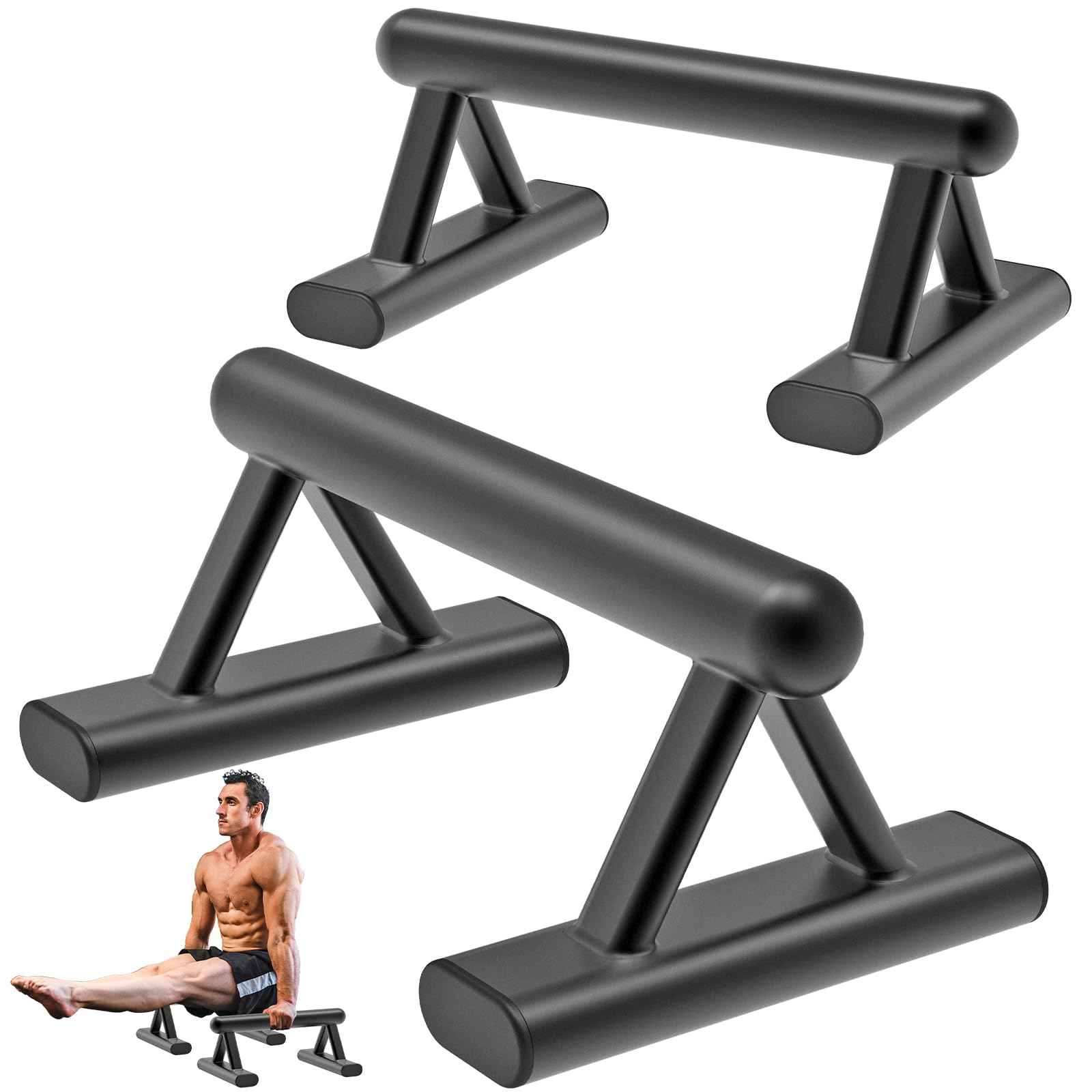
Where a listing does give concrete figures, compare like with like. Our push-up bars publish a 600 lb rating and a wipe-clean matte finish; our pull up assistance bands and thick non-slip yoga mat state material and thickness. Use those stated figures as the benchmark for what a listing should tell you.
Thick Non-Slip Yoga Mat | Eco-Friendly TPE
Pull Up Assistance Bands for Working Out | Heavy Resistance
Push-Up Bars | Steel Parallettes for Calisthenics
The points below are the main checks to make on an online listing before ordering.
Check
What to confirm
Why it matters
Steel gauge
A figure stated in the listing
Lower gauge means thicker steel
Footprint and clearance
At least 600 mm clear on every loaded side
Stops a rack that fits the wall but cannot take a bar
Warranty
What is covered, for how long, and who pays carriage
Covers welds, not just the frame
Shipping damage
Inspection process and days to report
Protects you on large, fragile deliveries
Spare parts
Cables, pulleys, bolts and pads sold individually
A machine with no spares becomes scrap
Model number
Matches the manufacturer's own site
Catches rebadged generic units
How to Inspect Used Gym Equipment Step by Step
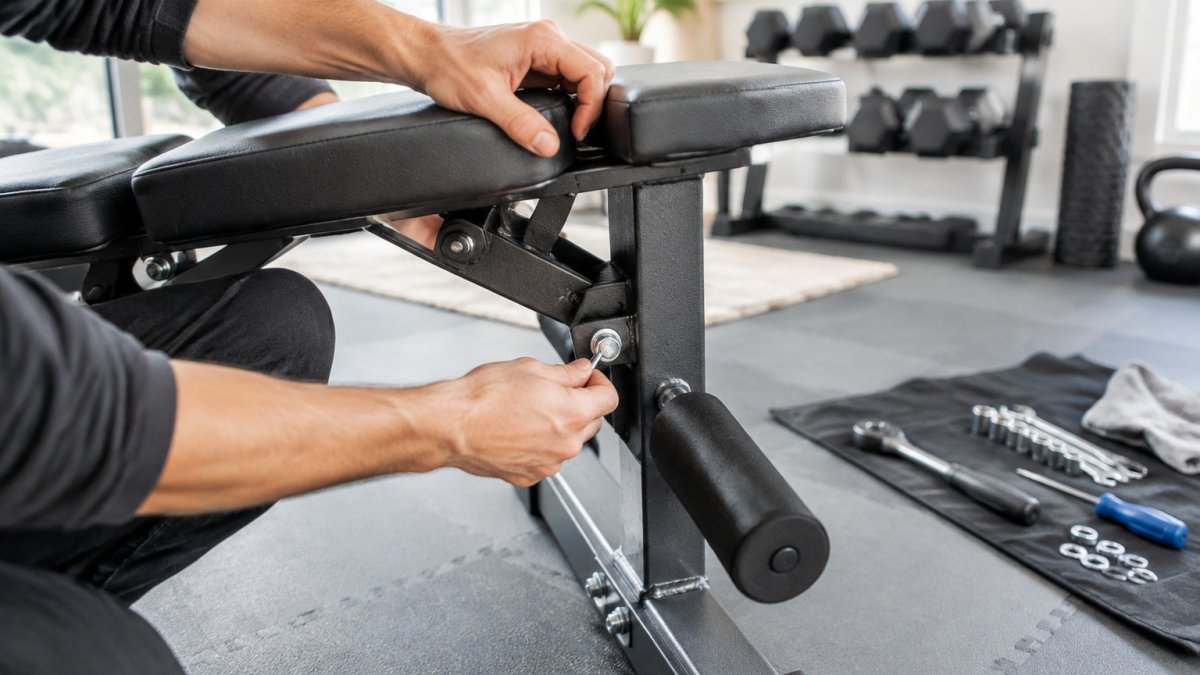
Used equipment can offer real value, but only if you inspect it properly. Work through the same checks in the same order each time.
Hands inspecting the welds and bolts on a steel weight bench in a home gym
Look over the frame for cracks, dents and rust, especially around welds and joints.
Tighten every bolt and check for play in the joints.
Load the unit gently, then increase the weight to check for flex or creaking.
Run cables and pulleys through their full range and listen for grinding.
Inspect grips and pads for splits, flattening or sticky residue.
Keep notes on anything you find. A small crack or loose fitting might be a cheap repair, but a cracked weld on a load-bearing part is usually a reason to walk away.
Fitness Equipment Safety Checks and Next Steps
Safety checks are the last line of defence before training, and where marketing language most often outruns the evidence. Separate what you can verify yourself from what the seller claims.
Check the physical setup first. Confirm the unit sits level with no rock, that all adjustable parts lock positively in every position, and that no bolt has loosened in transit. Keep clear space for the full range of every movement, and check that safety catches, spotter arms or locking pins engage fully. On cardio equipment, test the emergency stop.
Then interrogate the safety claims. Look for a UKCA or CE mark on the rating plate, a UK plug with a correctly rated fuse, and a declaration of conformity available from the seller on request. Treat safety claims carefully: A genuine safety claim should name the specific standard and the body that tested the equipment. A vague 'independently tested' with no standard number, test house or date is marketing, not evidence.
Ask for the paperwork. Reputable sellers can supply the manufacturer's declaration of conformity, the assembly and user manual, and the maximum user weight stated in the manual rather than only in the advert. If a seller cannot say which standard applies or produce a declaration on request, pause rather than bargain.
Watch out: A UKCA or CE mark on the box does not by itself prove the unit is suitable for your weight or use; it confirms the product met the applicable conformity route. Always check the maximum user weight in the manual against your own.
Once the physical checks pass and the paperwork is in order, record the model, serial number and purchase date, keep the manual with the warranty terms, and recheck bolts, cables and locking mechanisms after the first week and then at the intervals the manual specifies. That routine, not the badge on the frame, keeps a home setup safe over years of use.
Ready to build a home gym you can trust? Shop our fitness range at Infinite Finds, where we curate products with clear specifications so you can buy with confidence.
Frequently Asked Questions
How can you tell if fitness equipment is good quality?
Look at the frame first. Heavy-gauge steel, clean and even welds, and a finish that resists chipping are strong signs of build quality. Check the stated weight capacity and load rating, then test moving parts such as cables, pulleys and grips for smooth movement and no slack. Read customer reviews for comments on durability after several months of use, not just the first week. If a seller gives no weight capacity or material details, treat that as a warning sign and ask for specifications before paying.
What should I check before buying home gym equipment online?
Measure your space first, including ceiling height and the footprint the equipment needs when in use. Confirm the weight capacity suits your strength and the heaviest loads you plan to use. Check that the listing names the frame material and gauge, and look for a warranty period and a clear returns policy. Compare the dimensions with your delivery access, since bulky items sometimes cannot be carried through narrow doorways or stairwells. Finally, read recent reviews to spot patterns such as loose bolts or rust.
How do I know if used gym equipment is safe to buy?
Inspect it in person before paying. Look for cracks or bends in the frame, rust on load-bearing joints, and worn or frayed cables. Test every adjustment pin and locking mechanism, and check that bolts are tight and not stripped. Ask the seller for the original weight rating and any manufacturer manual. If you cannot verify the frame or safety condition, it is safer to pass on the item or buy from a seller who offers a return option.