To choose safe pet products, read the full ingredient list and nutritional adequacy statement, confirm the product suits your pet's species, age, size and health, and inspect toys for choking hazards. Check for recalls and buy from traceable sellers.
Ingredients are listed by weight, so look for a named protein such as chicken, salmon or turkey.
Check whether food is labelled complete or complementary and for which life stage.
A toy should be too large to fit fully into your pet's mouth.
Look for manufacturer details and a batch or lot number so recalls can reach you.
Ask your vet before switching to a veterinary diet.
Start with the ingredient list. Ingredients are listed in descending order by weight, so look for a named protein such as chicken, salmon or turkey rather than vague categories like "meat and animal derivatives".
Check the nutritional adequacy statement. It says whether the food is "complete" or "complementary" and for which life stage.
Read the guaranteed analysis. It lists minimum protein and fat and maximum fibre, ash and moisture, useful for shortlisting, not a full nutritional profile. Compare calories per 100g or per daily serving.
Match the food to the pet, not the marketing. Species, age, size and health status all change what a safe choice looks like; ask your vet before switching to a veterinary diet.
Treats deserve the same scrutiny. They are often complementary and can unbalance a complete diet, so check for the same named-protein standard, keep them to a small proportion of daily calories, and size chews to your pet.
If a label claim cannot be verified from the pack or the manufacturer's documentation, ask your vet or contact the manufacturer before buying.
Safe Dog Toys: Materials, Sizing and Choking Risks
Toys matter just as much as food. Many dogs chew, swallow and carry their toys, so material and size must suit your dog.
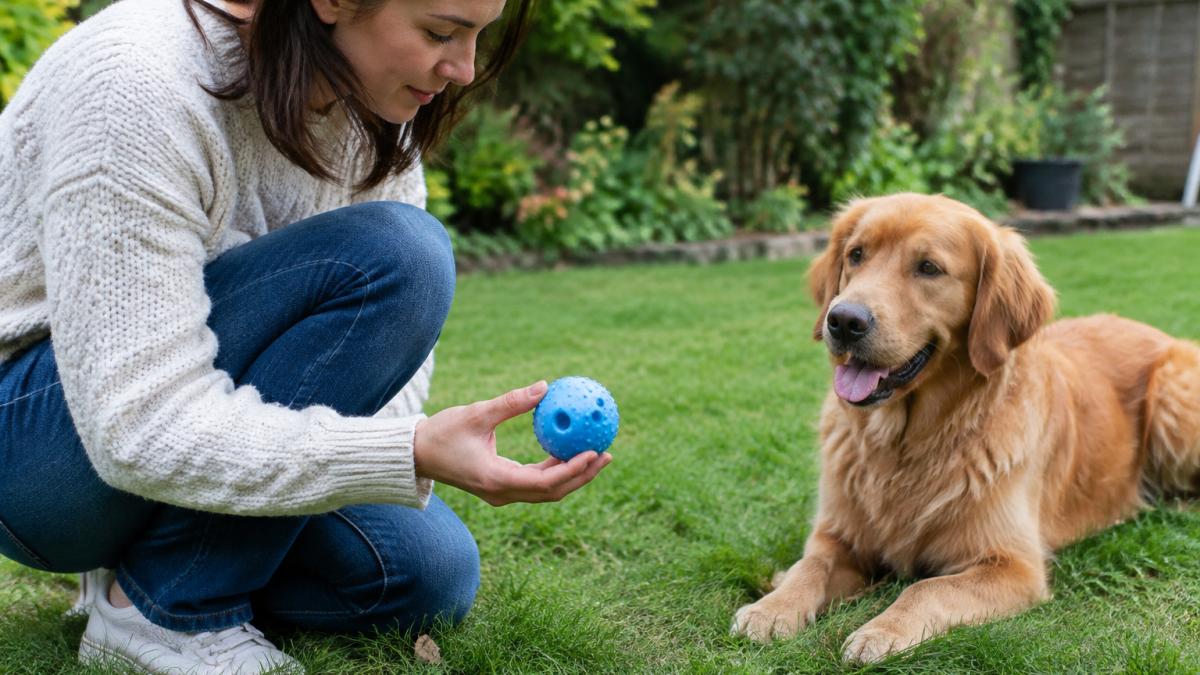
Owner inspecting a natural rubber squeaky ball on a lawn as a happy dog waits nearby
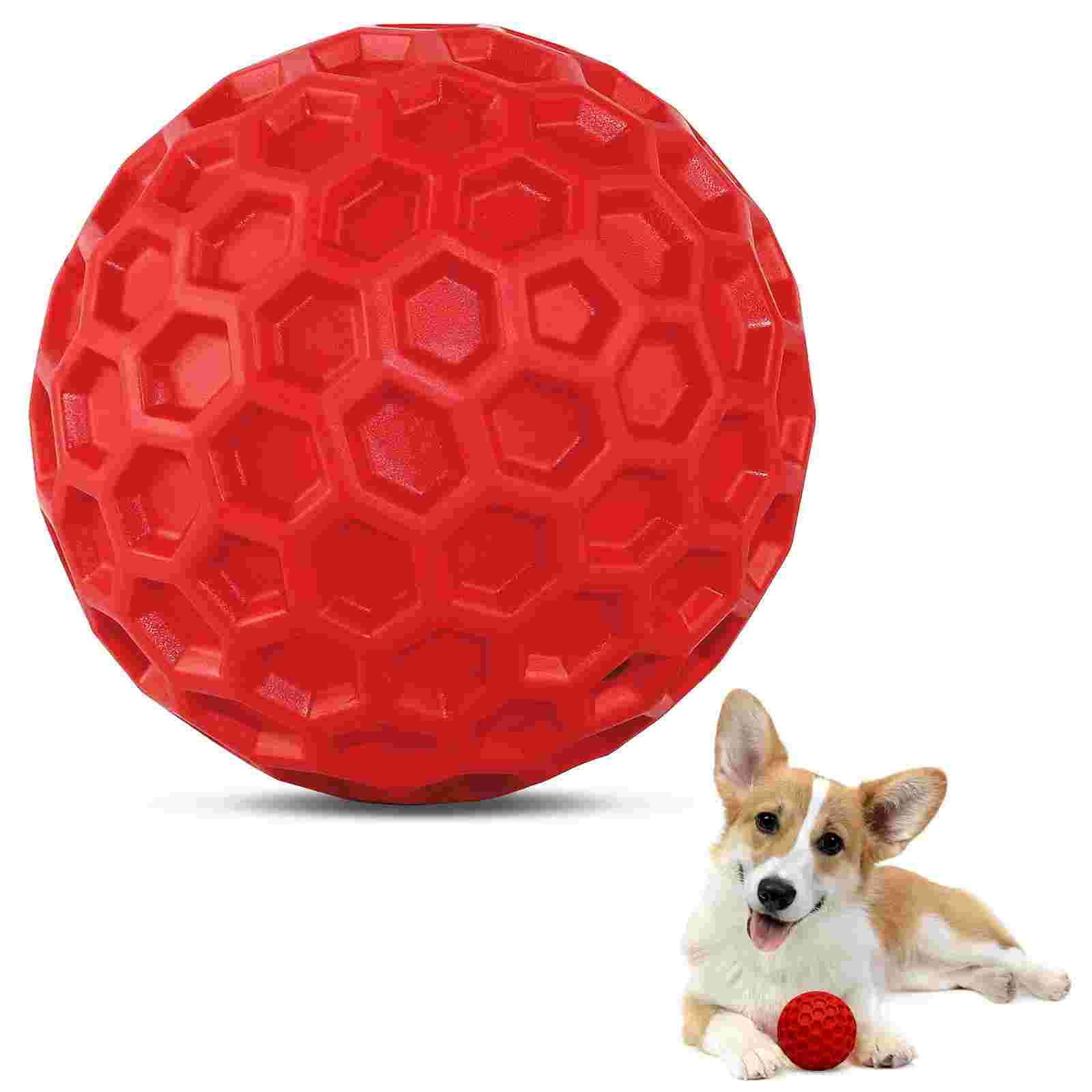
Our Natural Rubber Squeaky Dog Ball Toy (£15.49) is made from natural rubber with a textured surface for chewing and play.
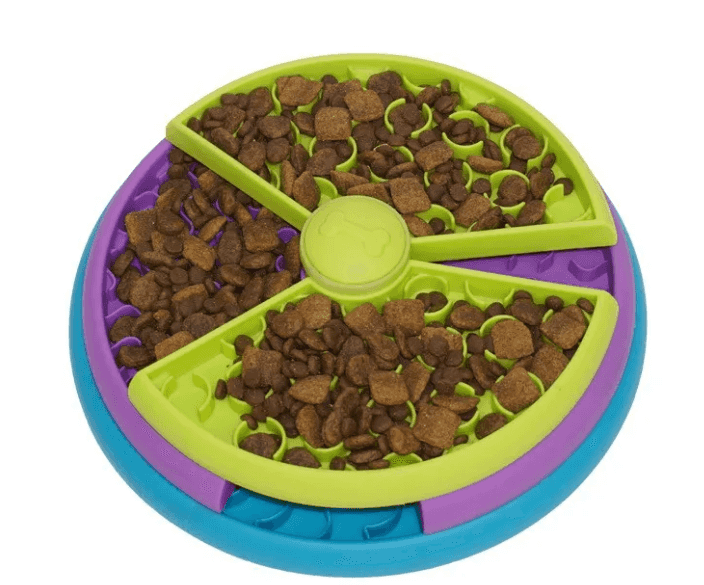
Size is the main choking risk. If you want a feeder designed specifically to prevent choking, see our Anti-Choking Puzzle Feeder slow feeder bowl for dogs and cats. A toy should be too big to fit fully into your dog's mouth. Pull off and swallow-test any squeaker or small part, and replace toys once they split or crumble.
Natural Rubber Squeaky Dog Ball Toy | Dental Care & Interactive Play for Dogs
Your Pet Product Safety Checklist Before You Buy
Before you add anything to the basket, run through this checklist to catch problems a quick glance at the pack will not.
Read the full ingredient list and nutritional adequacy statement. Confirm whether the product is complete or complementary and whether it suits your pet's species and life stage.
Confirm it suits your pet's species, age, size and health status. A toy sized for a terrier is not safe for a large breed, and adult food is not appropriate for a puppy.
Inspect for physical hazards before first use. Check seams, stitching, small parts and squeakers; a toy should be too large to fit fully into your pet's mouth.
Look for clear manufacturer details and a batch or lot number. Traceable information and a batch code are what allow a recall to reach you.
Check for recalls before you buy and while you own the product. In the UK, recalls are published by the Office for Product Safety and Standards and local trading standards, and pet food recalls through the Food Standards Agency (Product Recalls and Alerts).
Verify claims you cannot substantiate. Terms such as "natural", "non-toxic" and "eco-friendly" are not regulated guarantees of safety; ask for test reports or certification details.
Buy from traceable sellers. Online marketplaces can host counterfeit or misdescribed products, so check the seller's identity and UK address and be wary of prices far below the norm.
Stop using any product and contact your vet if your pet shows a reaction. Vomiting, diarrhoea, itching, swelling or lethargy after a new food, treat or chew warrant a vet call, keep the packaging and batch number.
Reporting a problem. If a product injures your pet or appears unsafe, report it to the Office for Product Safety and Standards and your local trading standards service, or to the Food Standards Agency for food issues. Keep photographs, receipts and the batch code; reporting triggers the recall process that protects other owners.
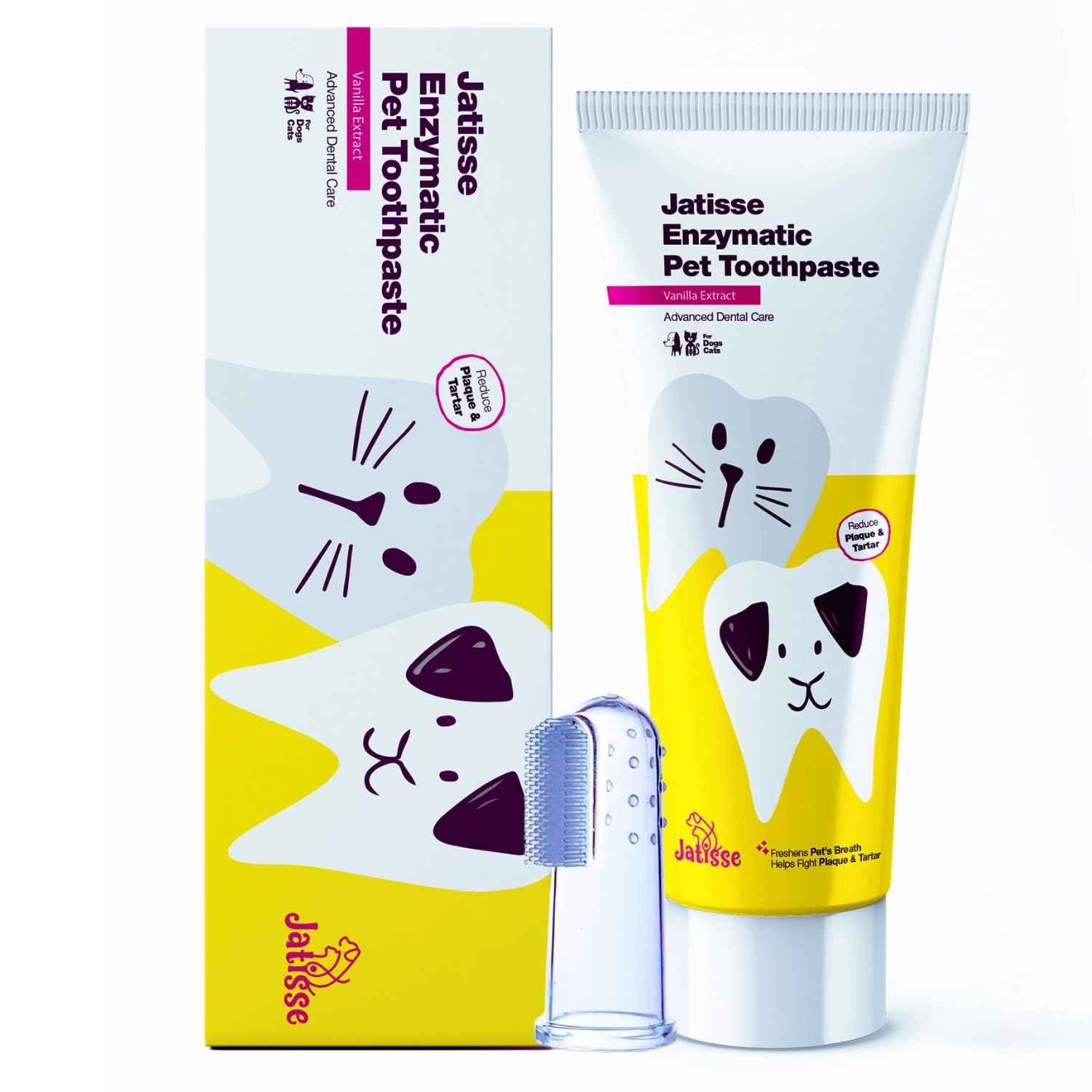
Dental care is another area where a simple check helps. Our Enzymatic Pet Toothpaste & Toothbrush Kit for Dogs & Cats is £19.99 and designed for home brushing. Check that the toothpaste is formulated for pets rather than people.
Enzymatic Pet Toothpaste & Toothbrush Kit for Dogs & Cats | Vet Recommended
If a product makes claims you cannot verify, ask your vet. Choosing safe products is a habit, and it gets easier each time you check the label, the batch code and the recall pages before you buy.
The checklist above can be scanned at a glance, with each step and what to check for it.
Check
What to look for
Why it matters
Ingredient list
Named protein, such as chicken or salmon
Ingredients are listed by weight, highest first
Nutritional adequacy
Complete or complementary, for the right life stage
Confirms the food suits your pet's species and age
Physical hazards
Seams, stitching, small parts, squeakers
Toy should be too large to fit fully in the mouth
Traceability
Manufacturer details and a batch or lot number
Allows a recall to reach you
Recalls
Published by OPSS, trading standards or FSA
Check before buying and while owning the product
Unverified claims
Terms like natural, non-toxic, eco-friendly
Not regulated guarantees; ask for test reports
Seller
Identity and UK address
Marketplaces can host counterfeit products
Frequently Asked Questions
How can I tell if a pet product is safe?
Start by checking the manufacturer's details, the materials list and any safety statements on the packaging. Look for clear ingredient or material information, avoid products with small detachable parts for chewers, and check that the product suits your pet's size, age and health needs. If a listing gives vague claims without specifics, treat that as a warning sign and ask the seller for details before buying.
What materials should I avoid in pet products?
Avoid products made from unlabelled plastics, products with strong artificial dyes or fragrances, and toys that splinter or break into small pieces. Be cautious with items containing BPA or phthalates, which some manufacturers list as absent.
How often should I replace pet toys and accessories?
Inspect toys and accessories every week. Replace anything that is cracked, torn, missing pieces or showing signs of heavy chewing, as these create choking and ingestion risks. Squeakers that come loose should be removed or the toy retired. Feeders and bowls should be checked for cracks where bacteria can build up, and replaced when they can no longer be cleaned properly.